Trinidad and Tobago is one of the Caribbean's great cultural crossroads, where African, Indian, Chinese and European traditions blended rather than separated. You hear it in the music and taste it on the plate. Here is the story behind it.
Few places pack as many cultures into one small nation, and fewer still let them blend so completely.
How the mix came to be
The roots run deep: Indigenous First Peoples, then Spanish, French and British colonial eras, the enslaved Africans brought during the plantation centuries, and, after abolition, indentured labourers from India and China who came to work the estates and stayed. Tobago itself is predominantly of African descent and more rural than cosmopolitan Trinidad, but it shares fully in the nation's heritage.
A culture you can taste
Nowhere is the blend clearer than on the plate. African roots give callaloo and pelau; the Indian heritage brings curry, roti and the street snack doubles; Chinese cooking has its own Trini accent; and Tobago has its own signature, curried crab and dumpling. It is one of the most distinctive food cultures in the Caribbean.
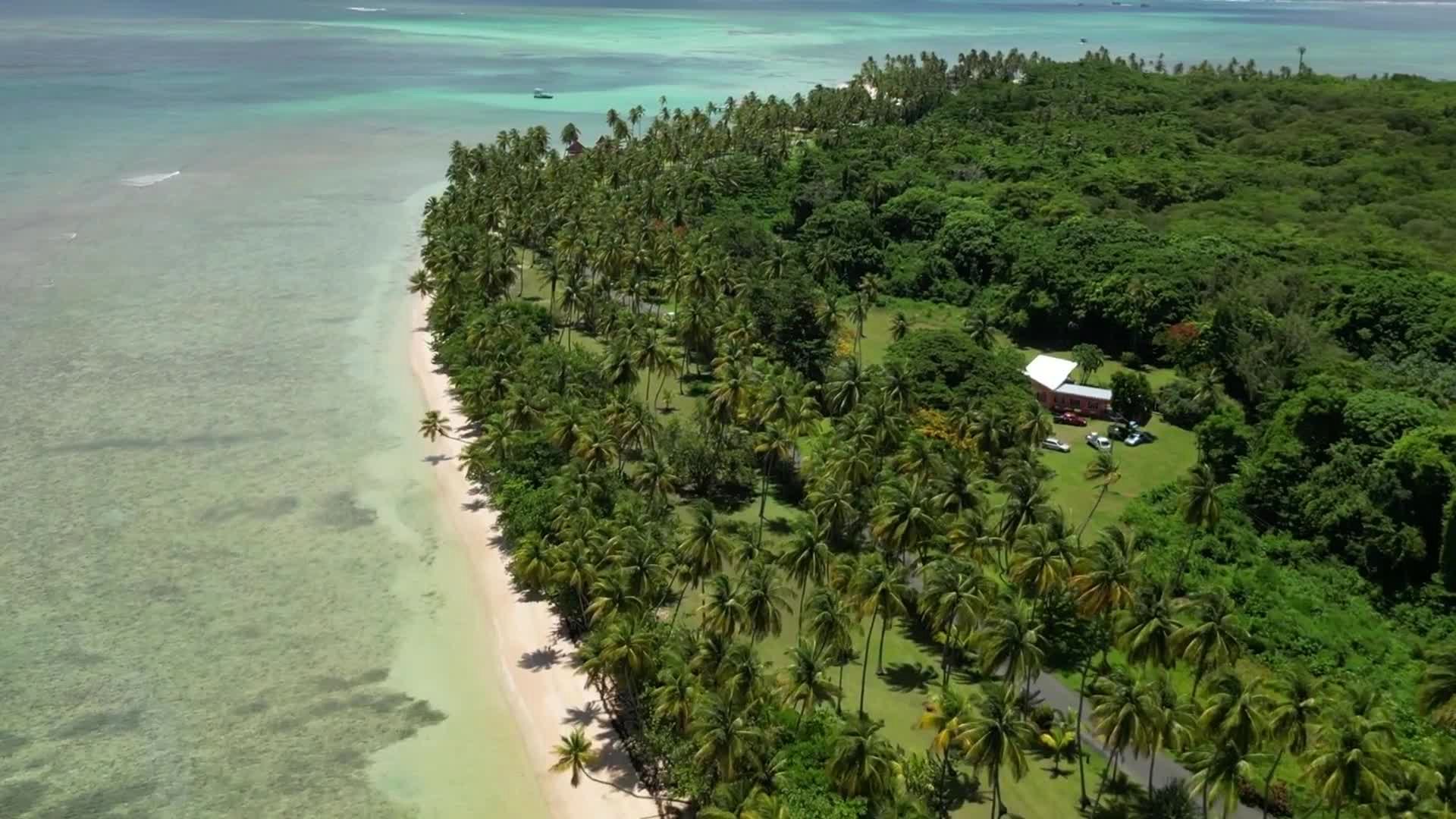
Store Bay, where the island's food culture is easiest to taste.
A culture you can hear
Trinidad and Tobago gave the world the steelpan, widely called the only acoustic instrument invented in the twentieth century, born here from African drumming traditions. It is also the home of calypso and soca, and of chutney music, a lively Indian-Caribbean fusion. In Tobago you will hear steel pan in the evenings.
Festivals and the living culture
Carnival is the nation's great spectacle, mostly in Trinidad before Lent. But Tobago has its own: the Tobago Heritage Festival each July and August celebrates the island's folk traditions, dance, storytelling and food. Across the year you will also find Divali, Hosay and Emancipation Day, each a window onto a different strand of the heritage.
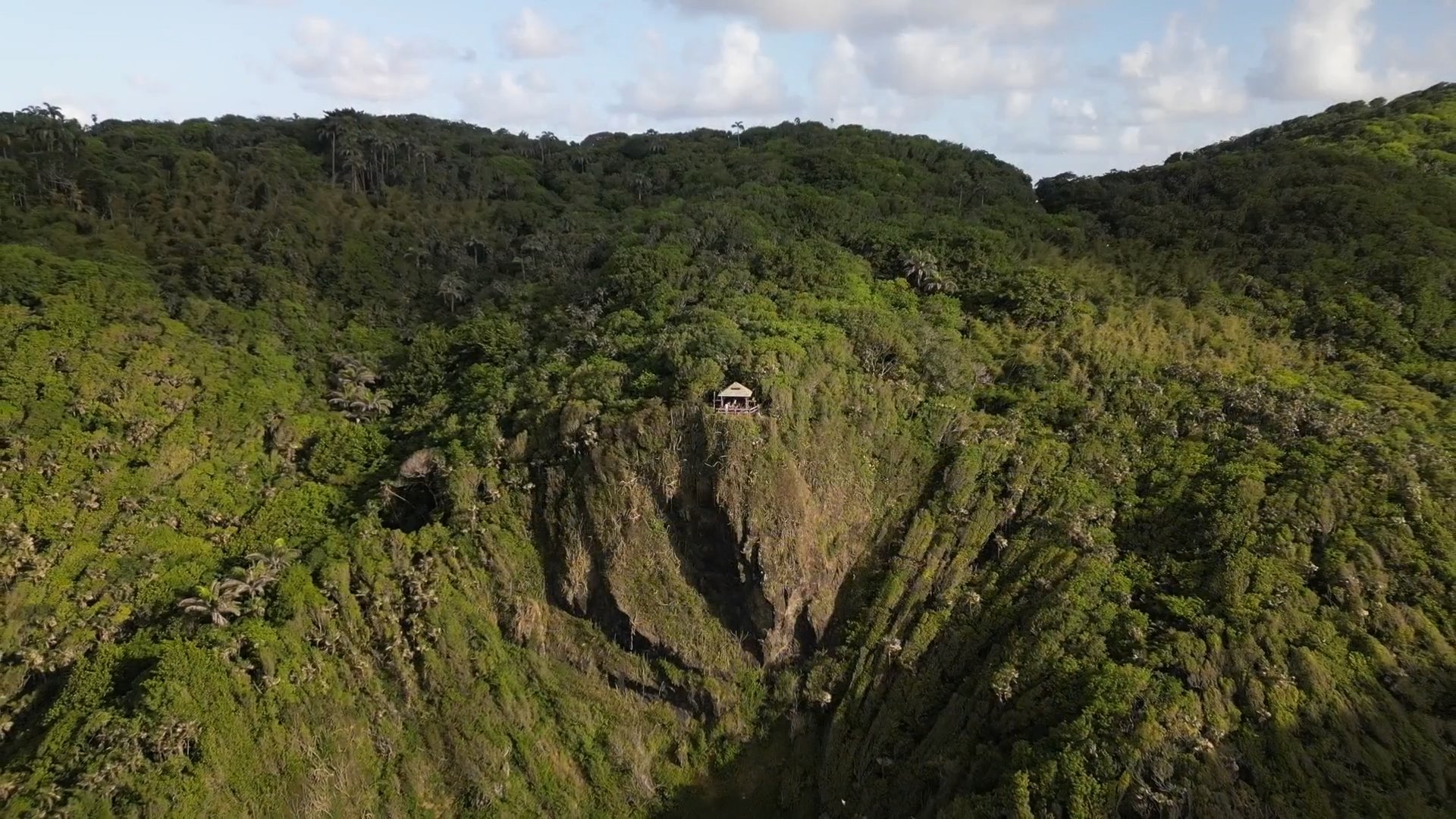
The island's culture is lived, not staged.
Experience the culture, not a show of it
Your week leans into the real thing: a local naturalist on the first evening, steel pan and dancers in the evenings, a chance to try the pan yourself, and the island's real food rather than the resort buffet.
See the Tobago week